

Desert Tarantula
The desert (Arizona blond) tarantula is a large, slow, hairy brown spider. Males wander in late summer looking for mates, which is when most people see them crossing yards and driveways.

Is it dangerous?
No. Desert tarantulas are docile and their venom is mild, comparable to a bee sting. Their bigger defense is flicking irritating hairs. They're harmless to keep away from and beneficial in the desert.
Where it lives
It lives in silk-lined burrows in the desert and on the desert edge. Wandering males show up in yards and on roads during the late-summer mating season.
Signs you have desert tarantulas
- A large, hairy, slow-moving brown spider
- Wandering males in late summer
- Silk-lined burrows in desert soil
How to keep them out
- Seal exterior cracks, weep screens, and door sweeps to cut off entry points
- Reduce moisture and standing water around the foundation
- Keep recurring exterior pest control in place to hold populations down
Understanding Desert Tarantula in Phoenix & the Valley
The desert (Arizona blond) tarantula is a large, slow, hairy brown spider. Males wander in late summer looking for mates, which is when most people see them crossing yards and driveways. Understanding how the desert tarantula lives, what draws it to Valley homes, and when it is most active is the first step to keeping it out for good.
$49
Plans start here, monthly
5.0
225+ Valley reviews
$0
Re-service between visits
What draws it to your property
Desert Tarantulas follow food, water, and shelter. In the low desert that usually means exterior lighting that gathers insects, irrigation and pooling moisture, dense landscaping against the foundation, and the countless gaps our block-and-stucco construction leaves around weep screens, thresholds, and utility penetrations.
When it is most active
Activity tracks the Arizona calendar, building through spring, peaking in the summer heat, and surging again when monsoon storms flood harborage and drive it toward your home. Knowing that rhythm is what lets us time treatment so the barrier is strongest exactly when pressure is highest.
How spider control solves it
Professional treatment targets the harborage and entry points this pest relies on, breaks its breeding cycle, and maintains a protected barrier so it does not simply return. Our recurring plans carry the free re-service guarantee, so activity between visits is handled at no extra charge.
Why DIY rarely holds
Store-bought sprays kill what they touch but do not reach the harborage or break the breeding cycle, so the desert tarantula population rebuilds within weeks. Lasting control comes from treating the source and sealing entry points, then keeping a maintained barrier in place season after season.
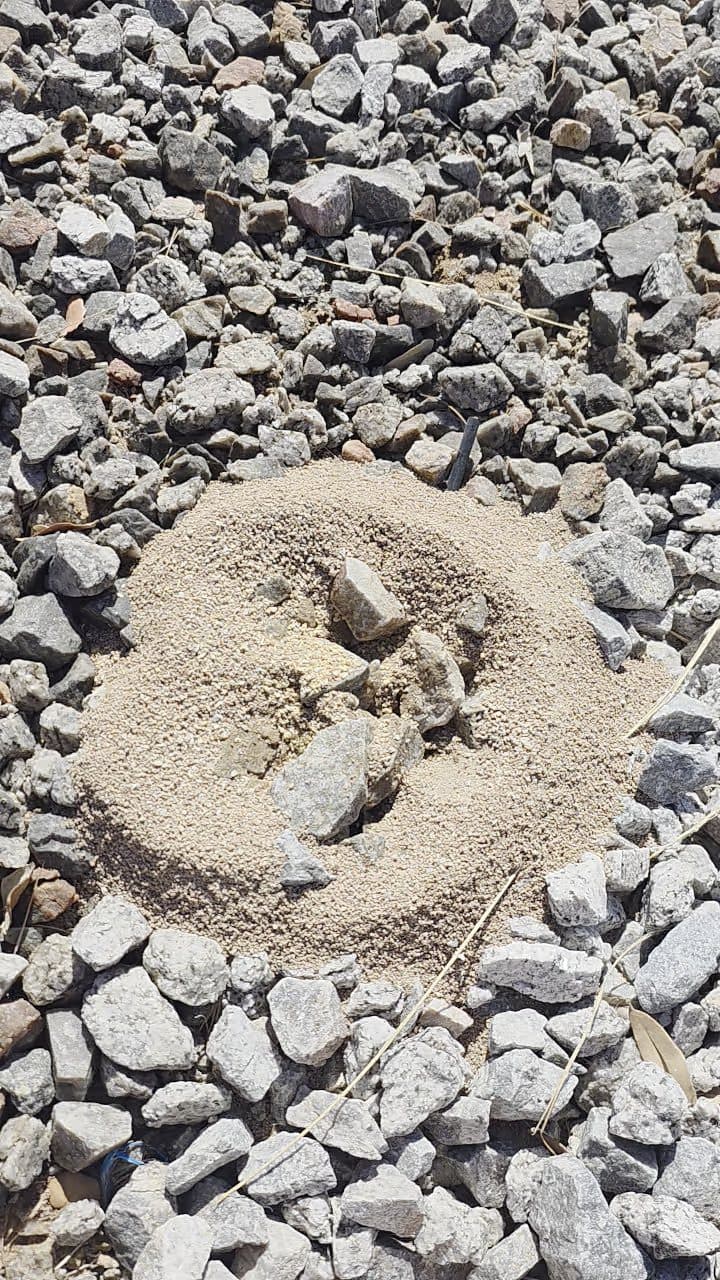
Desert Tarantula inspection on a Phoenix & the Valley home
Signs it is time for a treatment
Any one of these is worth a call. Not sure? A free inspection settles it, no pressure and no obligation.
- You are seeing desert tarantulas inside, not just outdoors
- Sightings are increasing week over week
- DIY sprays knock them down but they keep returning
- Activity near kitchens, bedrooms, or where kids and pets are
- Nests, droppings, webs, or damage around the structure
- You want them gone before the population establishes
How pressure shifts through the Valley year
Spring
Mar - MayAs overnight lows climb, insects and the predators that eat them get active again across Phoenix & the Valley. This is the window where a maintained exterior barrier does the most work, stopping the first wave before it moves indoors. Getting on a plan now heads off the summer surge before it starts.
Summer
Jun - AugTriple-digit heat drives pests toward the cool, moisture, and shade of your home. Activity around foundations, garages, and irrigation peaks, so treatment timing and re-service matter most for Phoenix & the Valley homes during these months. Consistent visits keep the barrier from breaking down in the extreme heat.
Monsoon
Jul - SepMonsoon storms flood harborage and push scorpions, roaches, crickets, and rodents to higher, drier ground, often your living space. Pressure spikes fast and unpredictably, which is why our plans build in the free re-service guarantee for Phoenix & the Valley so a storm-driven surge never costs you extra.
Fall / Winter
Oct - FebCooler weather slows surface activity but sends many pests inside to overwinter in wall voids, attics, and garages. Keeping the barrier current through the cool season is what prevents a heavy spring bounce-back in Phoenix & the Valley, and it is the quietest, easiest time to seal entry points for good.
Desert Tarantula the Property Pest Control way
The same disciplined process on every Phoenix & the Valley property, treat the source, seal the entry points, and stand behind it.
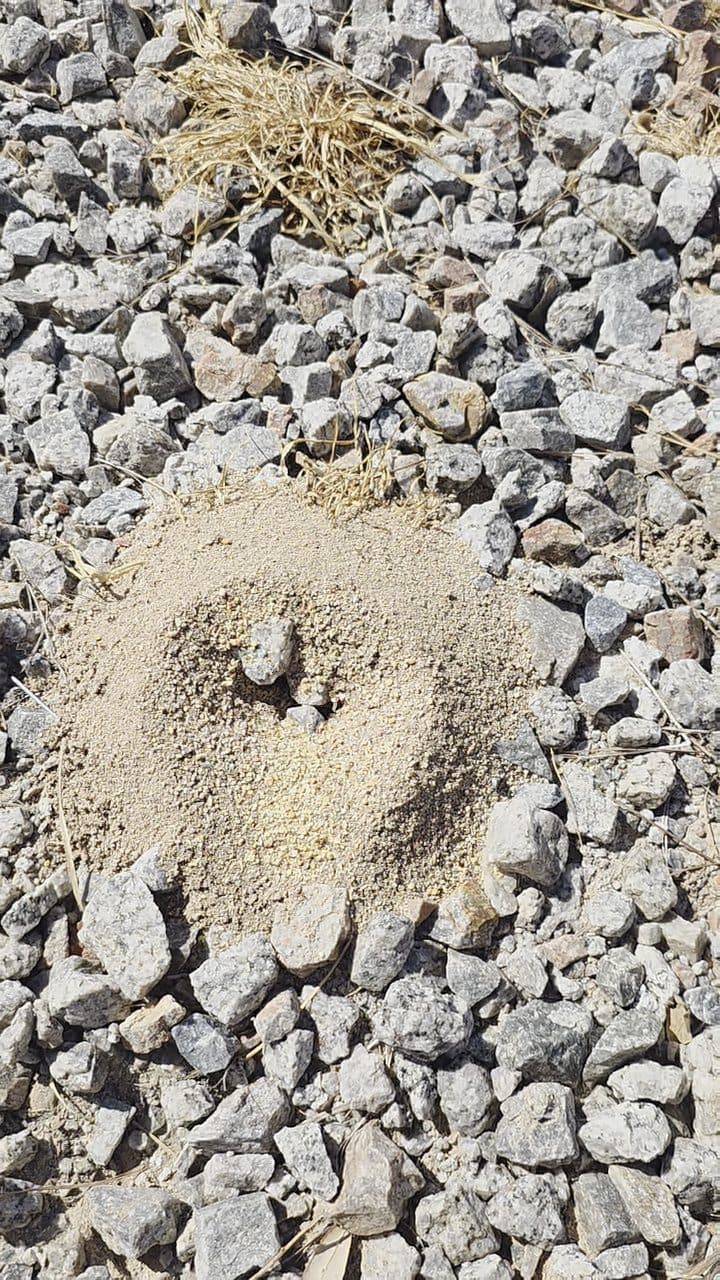
Exterior barrier treatment, foundation to roofline
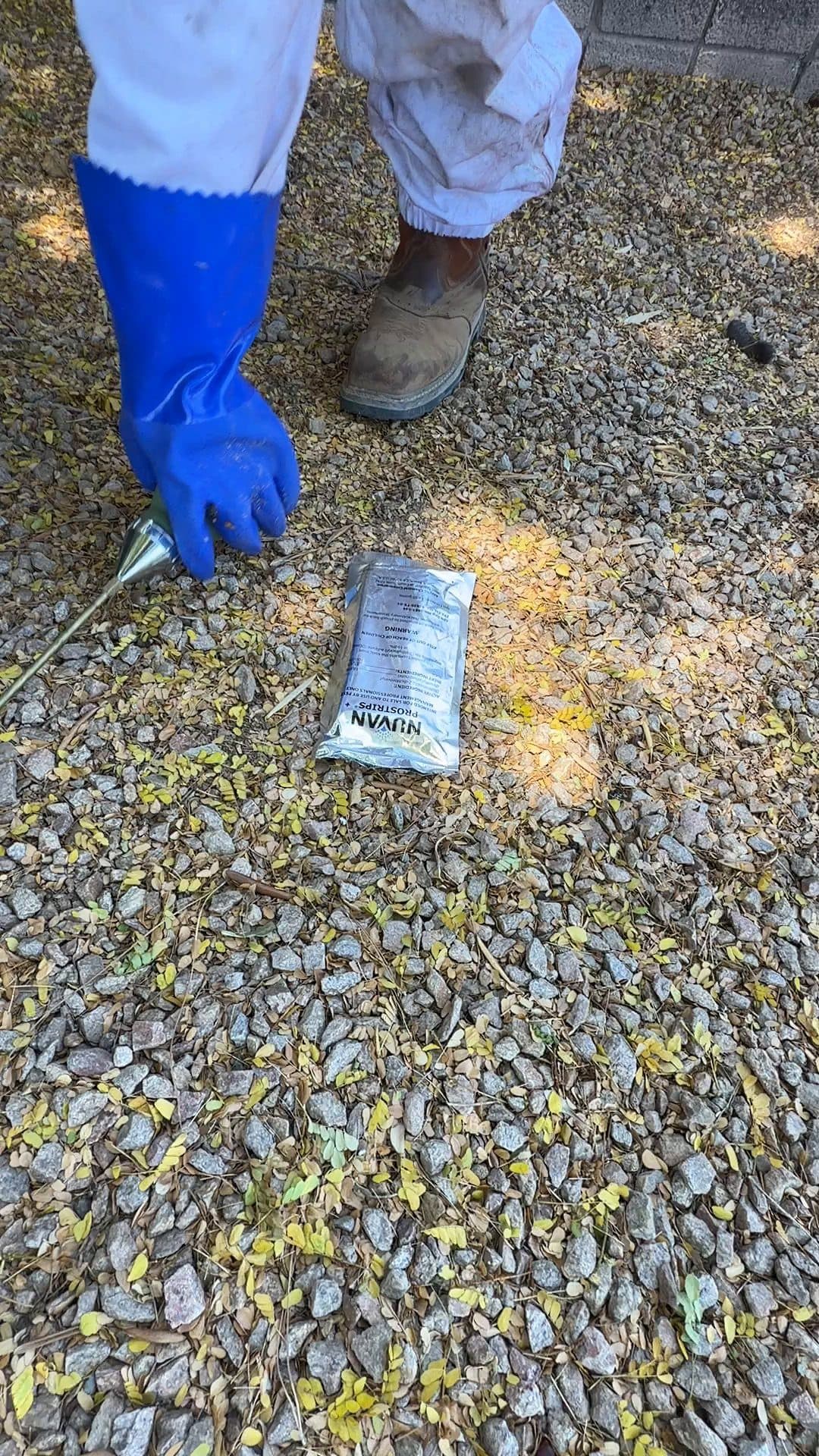
Entry points sealed, not just sprayed
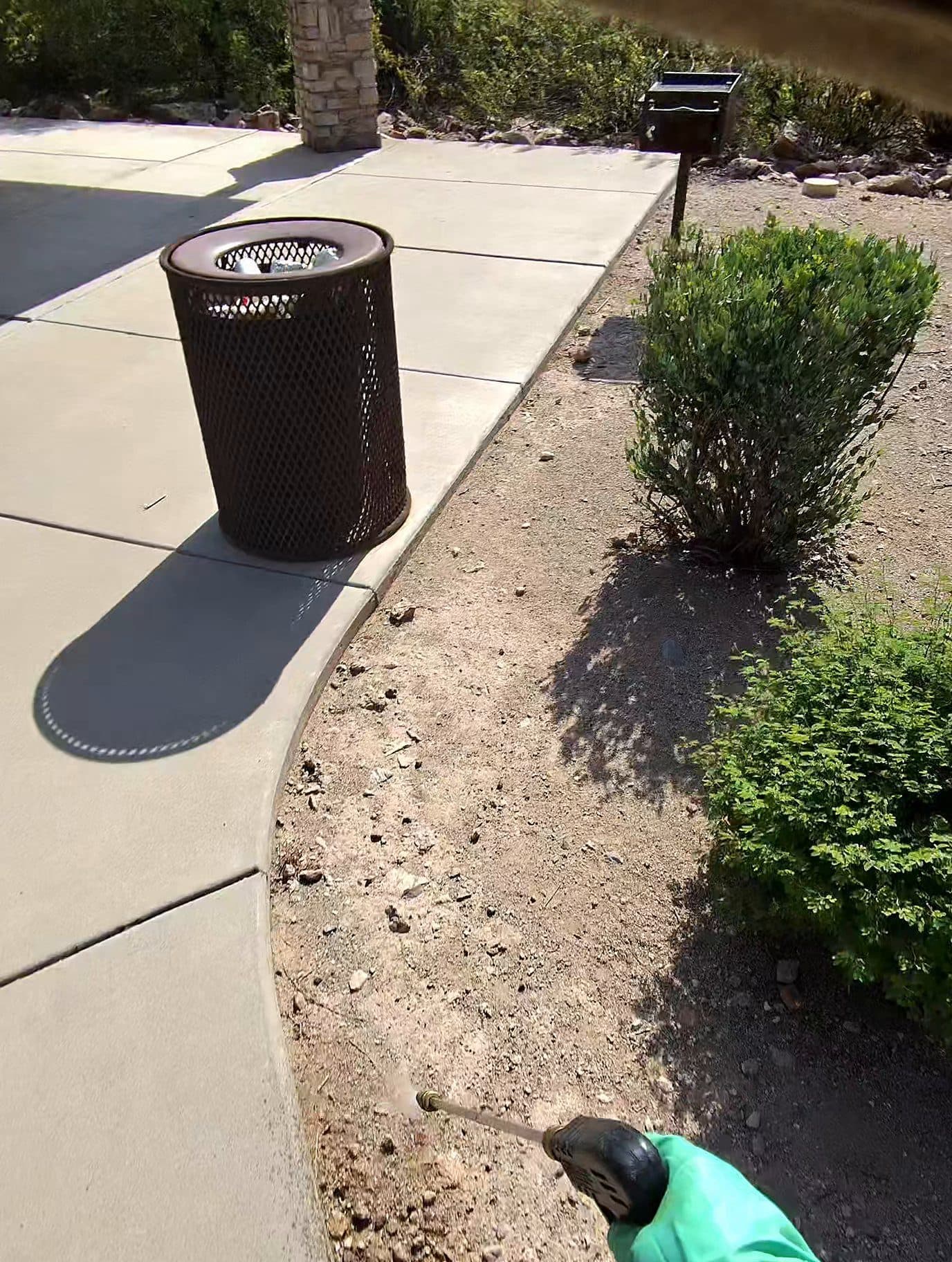
Phoenix & the Valley yard and foundation kept protected
The Property Pest Control difference
Local Arizona expertise
We treat Phoenix & the Valley homes week in and week out, so we know how local pests behave in our climate, soils, and construction styles, not a national playbook. That local read is what lets us solve problems national chains keep coming back for.
5.0
230+ reviews
$0
Re-service fee
None
Contract
Free re-service guarantee
See activity between scheduled visits? We come back and re-treat at no additional charge. It is included on every recurring plan, so the results are on us, not on you to call around for a second opinion. A callback is a quick scheduling call, never a negotiation over fees, and it is exactly how a local company should stand behind its work.
Licensed & insured
Treatments follow Arizona Department of Agriculture standards and product labels, applied by licensed, insured technicians who document every visit. You get a clear record of exactly what was treated and where, on every single stop.
Family- & pet-conscious
We use targeted, low-impact methods placed at entry points and harborage rather than broadcasting product where your kids and pets spend time, with clear re-entry windows. Effective protection and a household you do not have to worry about are not a trade-off. Your technician will always walk you through what was applied and how long to wait, so there is never any guesswork.
Transparent pricing
Recurring plans start at $49/month with a firm quote before any work begins, no surprise fees, no high-pressure contracts, and no door-to-door upsells. You always know what you are paying and what it covers before we start, and because plans are month-to-month, you stay because the service works rather than because a contract says you have to.
Very happy with the service. Also, we have a tortoise in our backyard and always get a call checking to make sure he is safe before spraying.
Mark Levitan, Verified Google review
Our approach to Desert Tarantula
The same disciplined sequence on every visit, from the first walk of the property to the barrier we keep current all year.
Inspect & identify
Every job starts with a walk of the property. We confirm exactly what we are dealing with, find the entry points and harborage driving the problem in Phoenix & the Valley, and note the conditions, moisture, clutter, landscaping, cracks, feeding it.
Treat the source
We treat the harborage and entry routes directly rather than just spraying surfaces, breaking the breeding cycle at its root. Interior and exterior are handled as needed so the pest has nowhere left to regroup.
Seal & prevent
We seal and advise on the gaps, thresholds, and conducive conditions that let pests back in, turning a one-time fix into lasting protection for your Phoenix & the Valley property.
Maintain the barrier
Recurring visits keep the protective barrier current through every Arizona season, and the free re-service guarantee means anything that slips through between visits is handled at no extra cost.
Questions, answered
Frequently asked questions
Can't find your answer? Talk to a real person on our team, no phone tree, no pressure.
Is the desert tarantula dangerous?
No. Desert tarantulas are docile and their venom is mild, comparable to a bee sting. Their bigger defense is flicking irritating hairs. They're harmless to keep away from and beneficial in the desert.
Where does the desert tarantula live around Phoenix?
It lives in silk-lined burrows in the desert and on the desert edge. Wandering males show up in yards and on roads during the late-summer mating season.
How do I get rid of desert tarantulas?
Recurring exterior pest control is the most reliable way to keep desert tarantulas down long term. Plans start at $49/month with a free re-service guarantee. See our spider control for details.
Ready to get the pests out, and keep them out?
Recurring plans start at $49/month with a free re-service guarantee between visits.