Why Phoenix has a roof rat problem
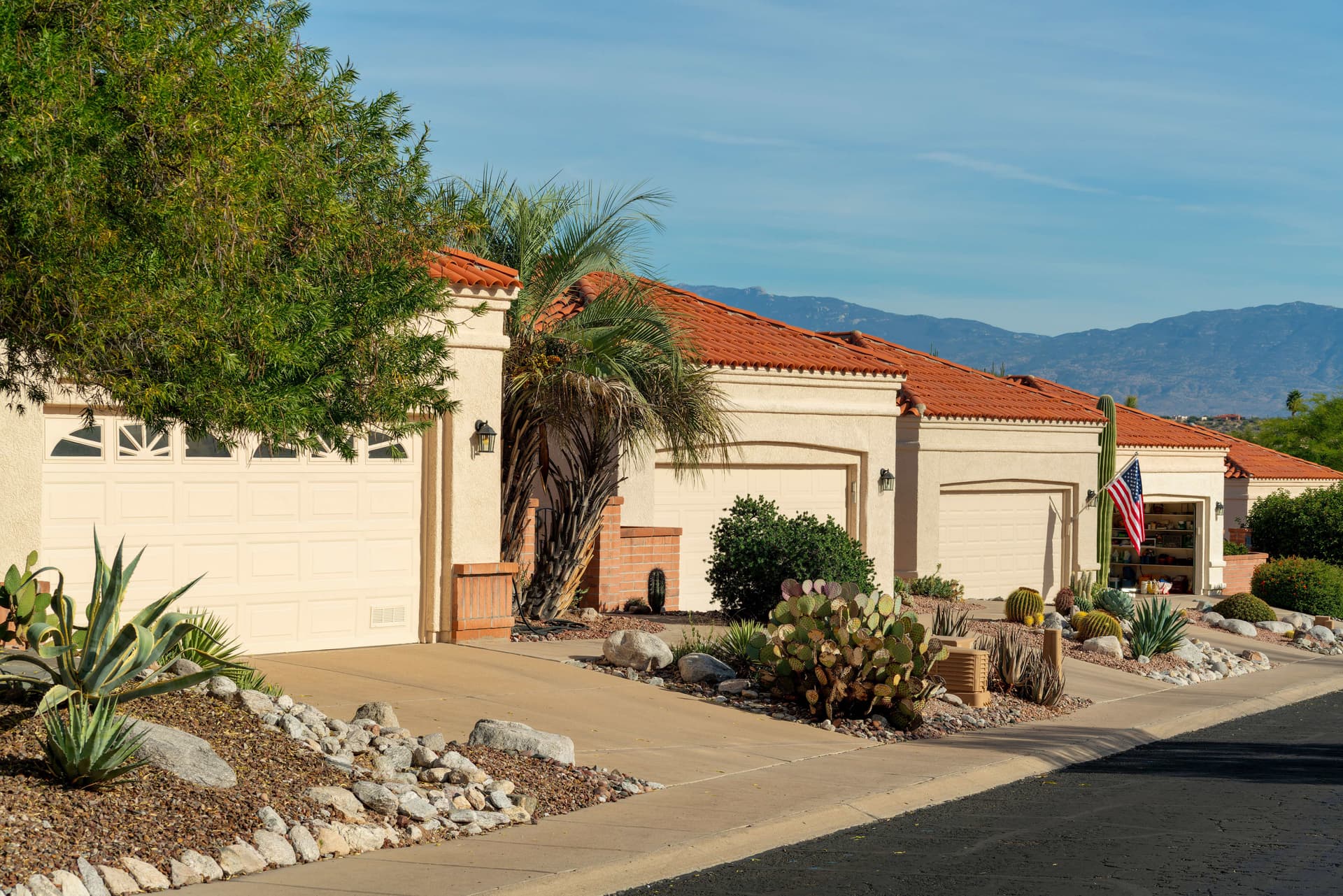
Roof rats thrive in mature landscaping, citrus trees, dense shrubs, and tree-lined streets give them food and cover. They travel along fences, branches, and utility lines, entering homes at the roofline rather than the ground. That's why they're concentrated in older, established neighborhoods rather than new builds.
Signs you have them
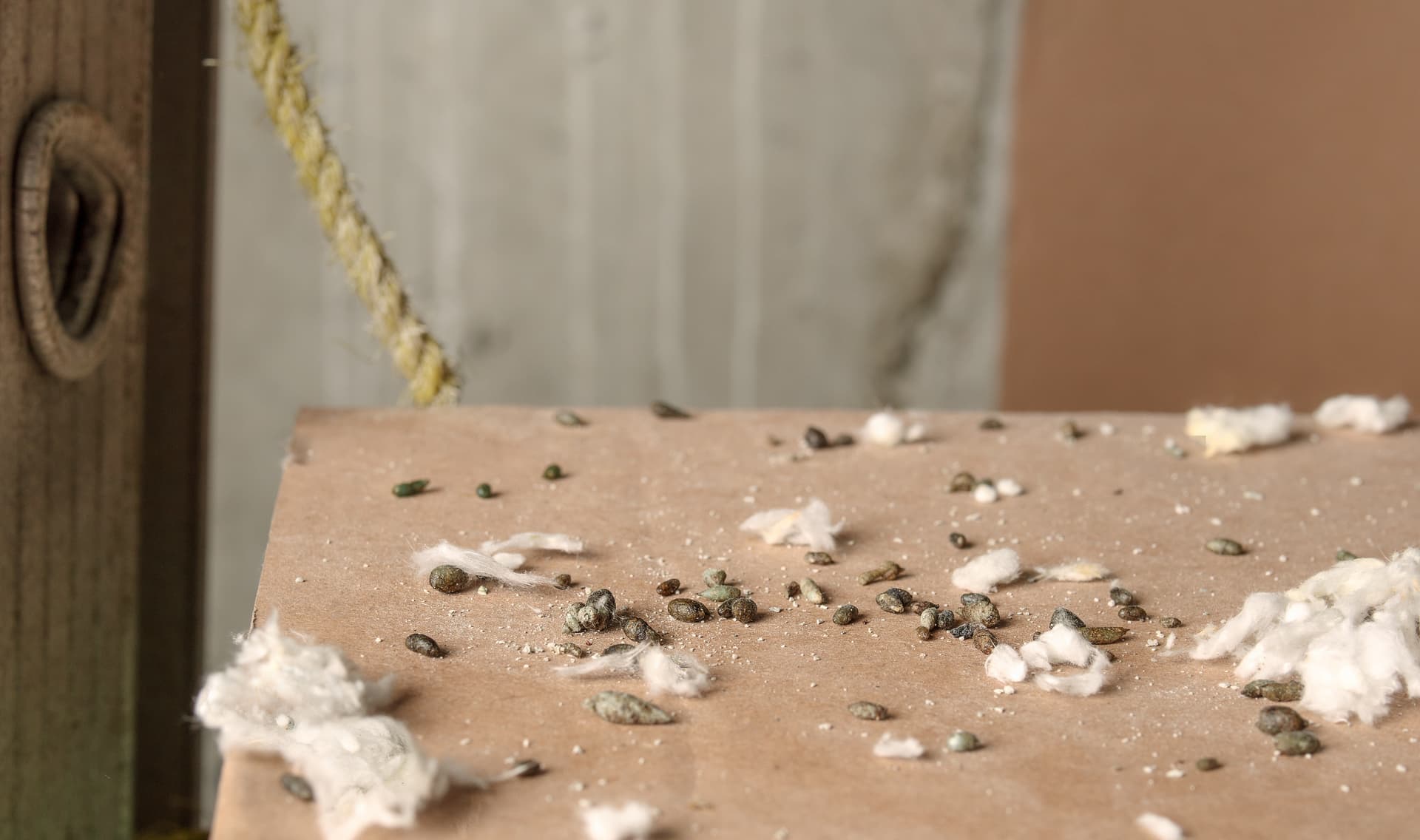
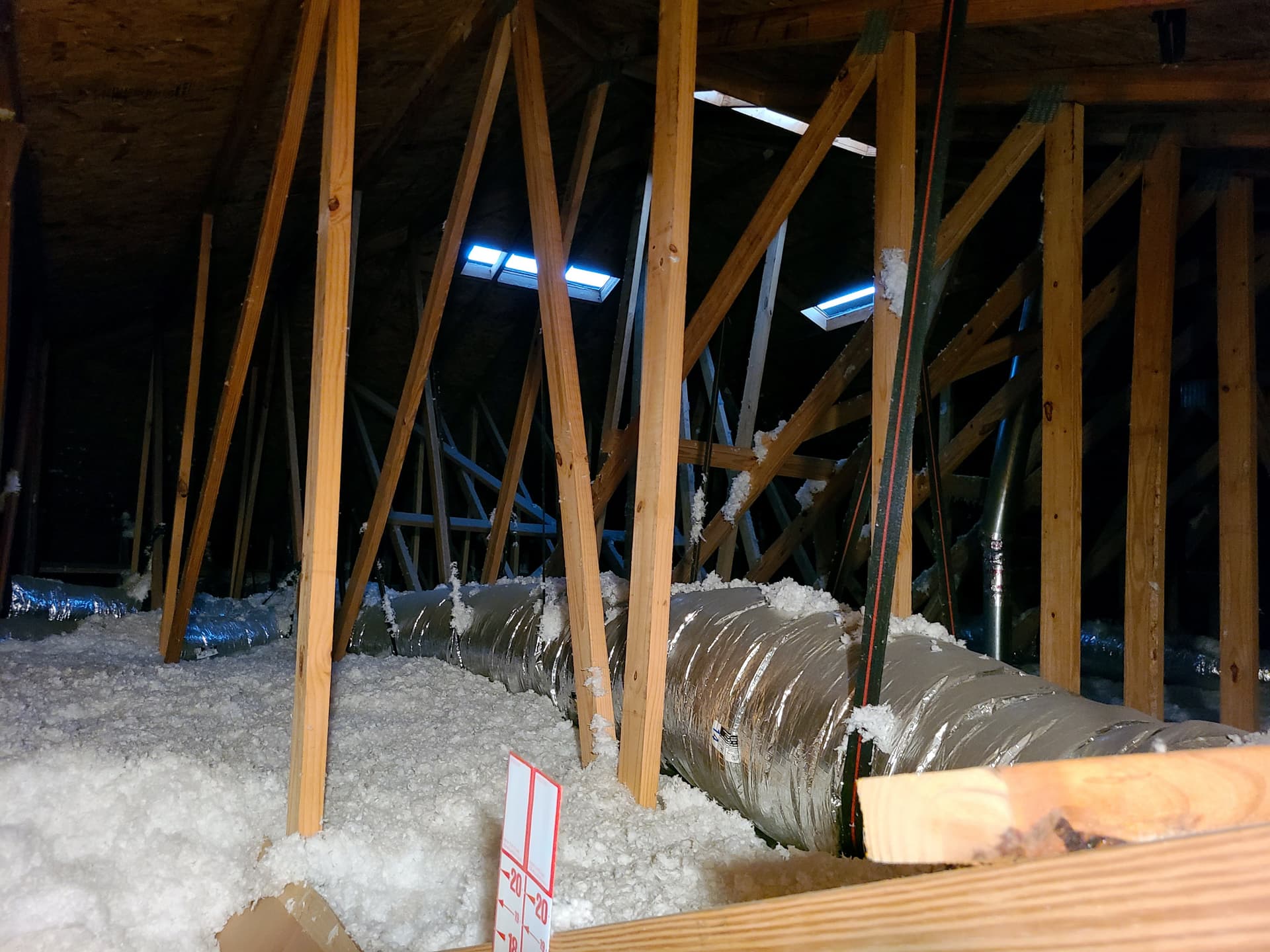
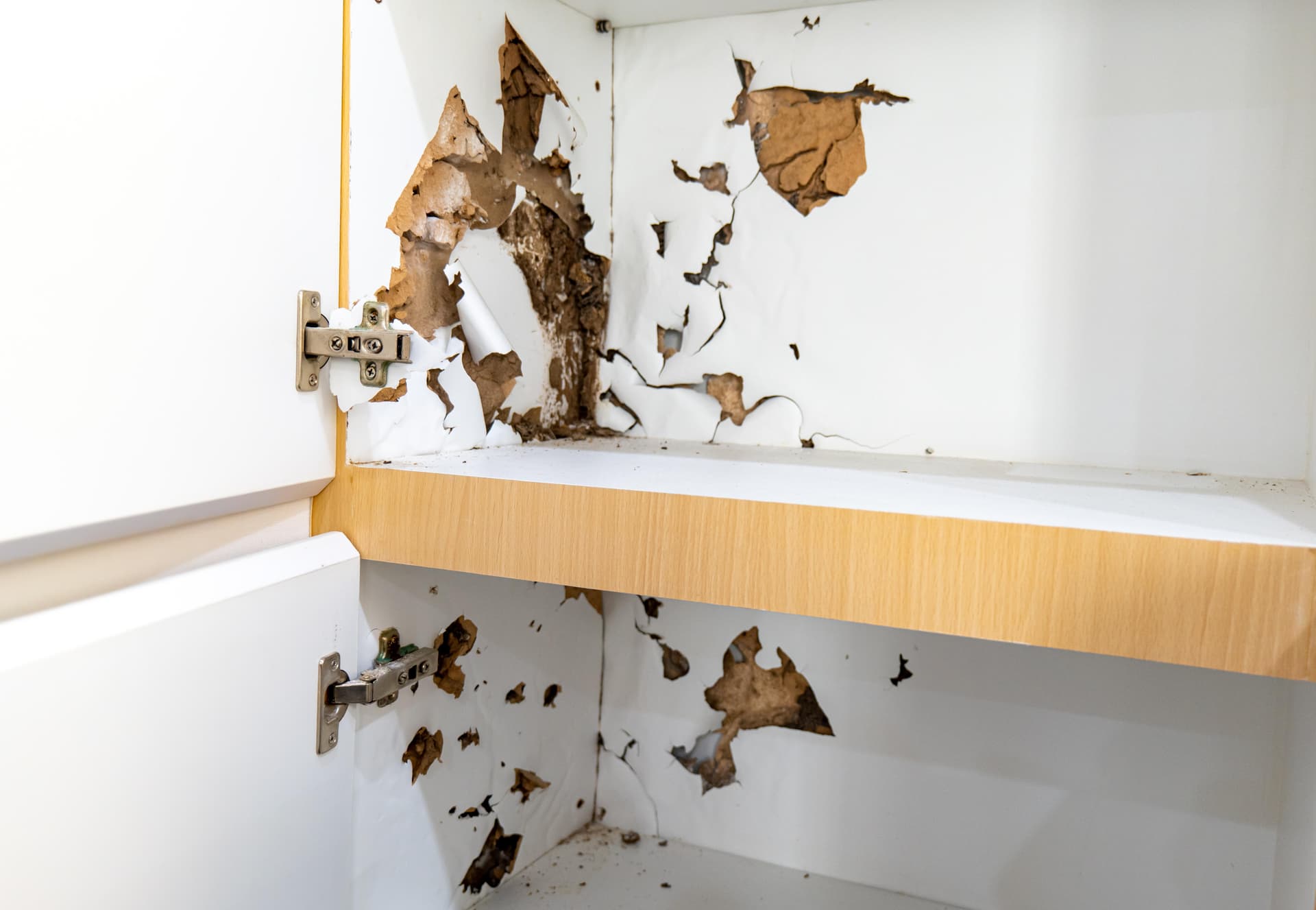
Scratching or scurrying in the attic at night, droppings in the garage or pantry, gnaw marks on wiring or citrus fruit, and greasy rub marks along beams. Because they're nocturnal and stay high, you'll usually hear them before you see them.
Why exclusion beats traps alone
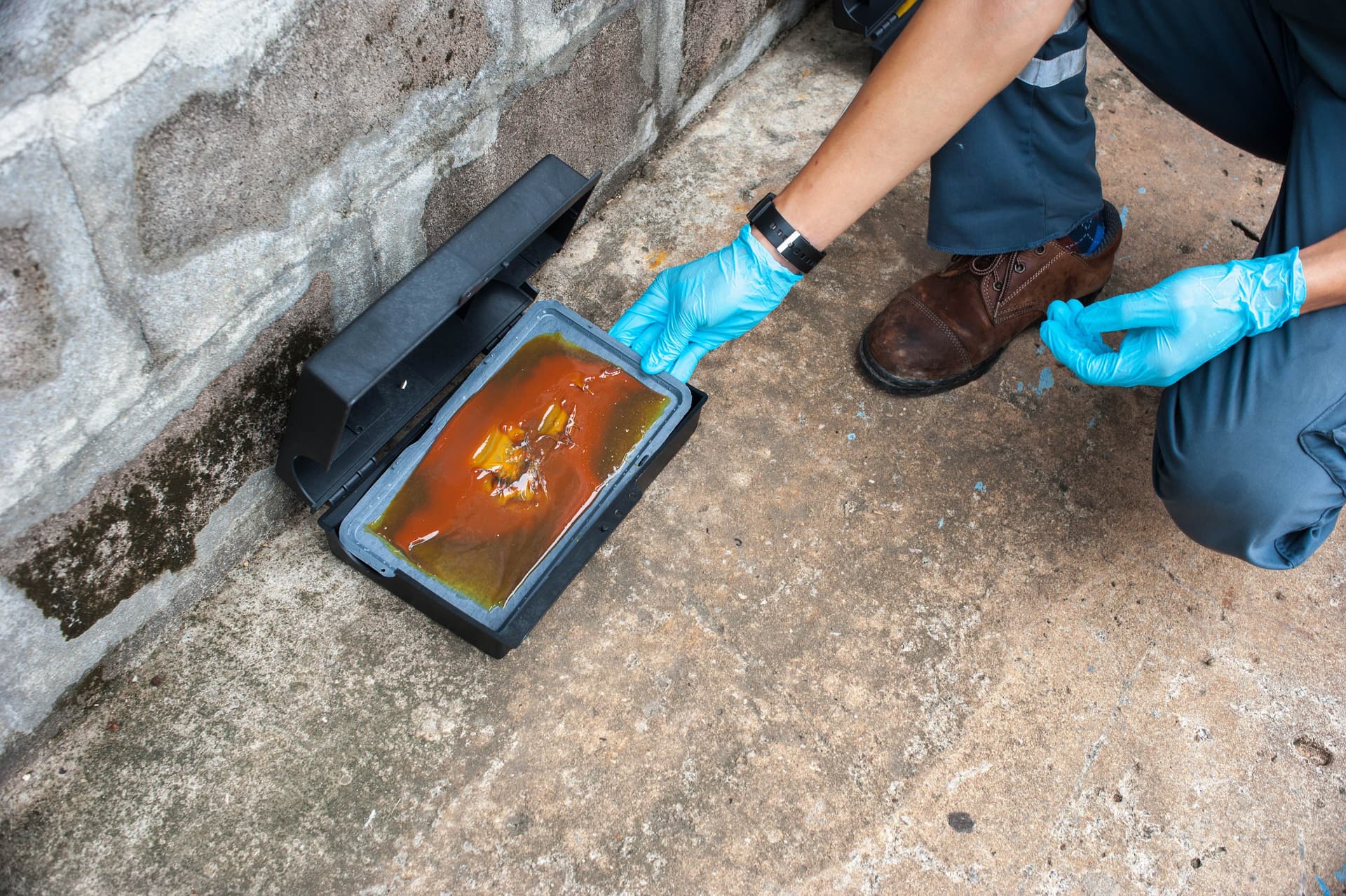
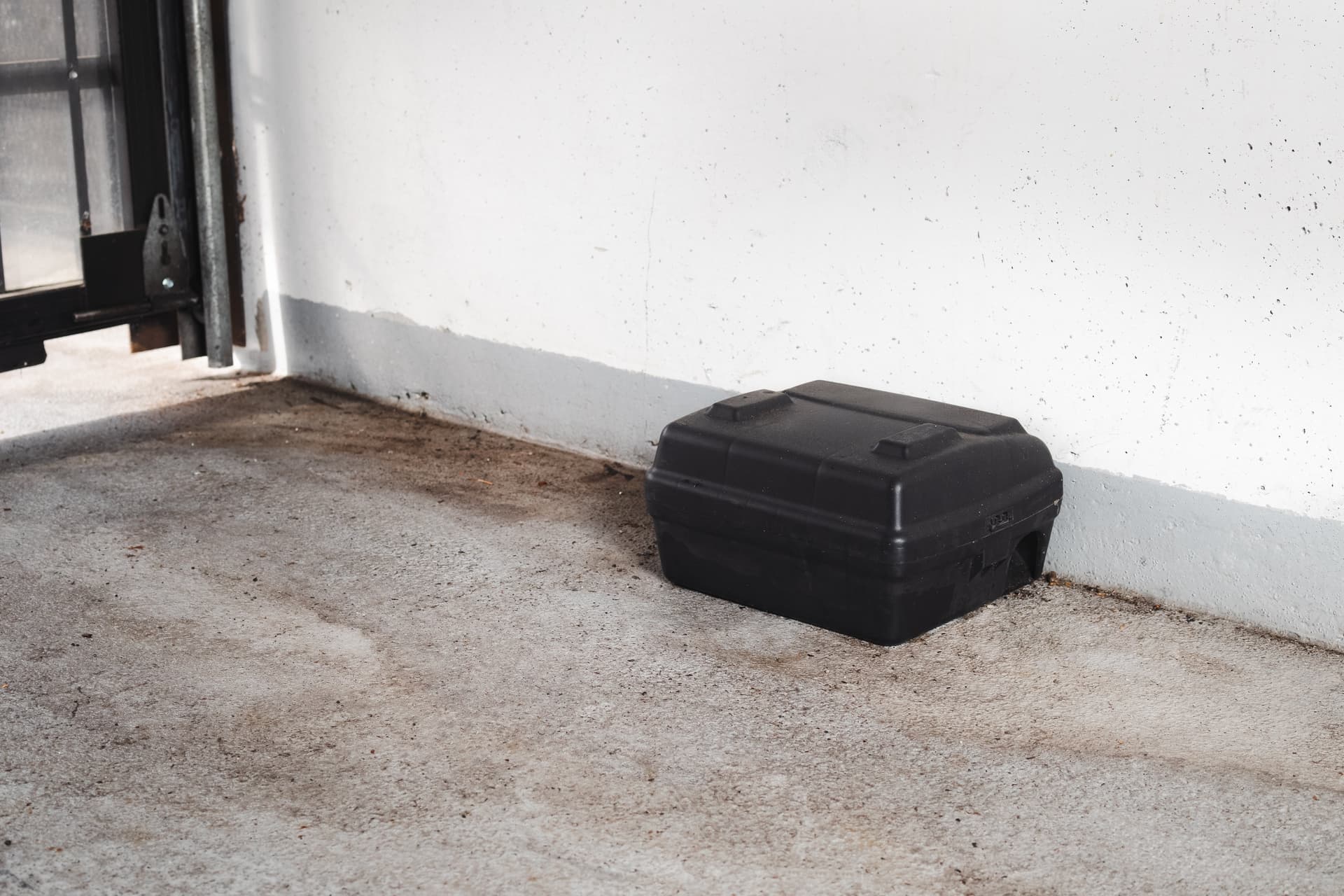
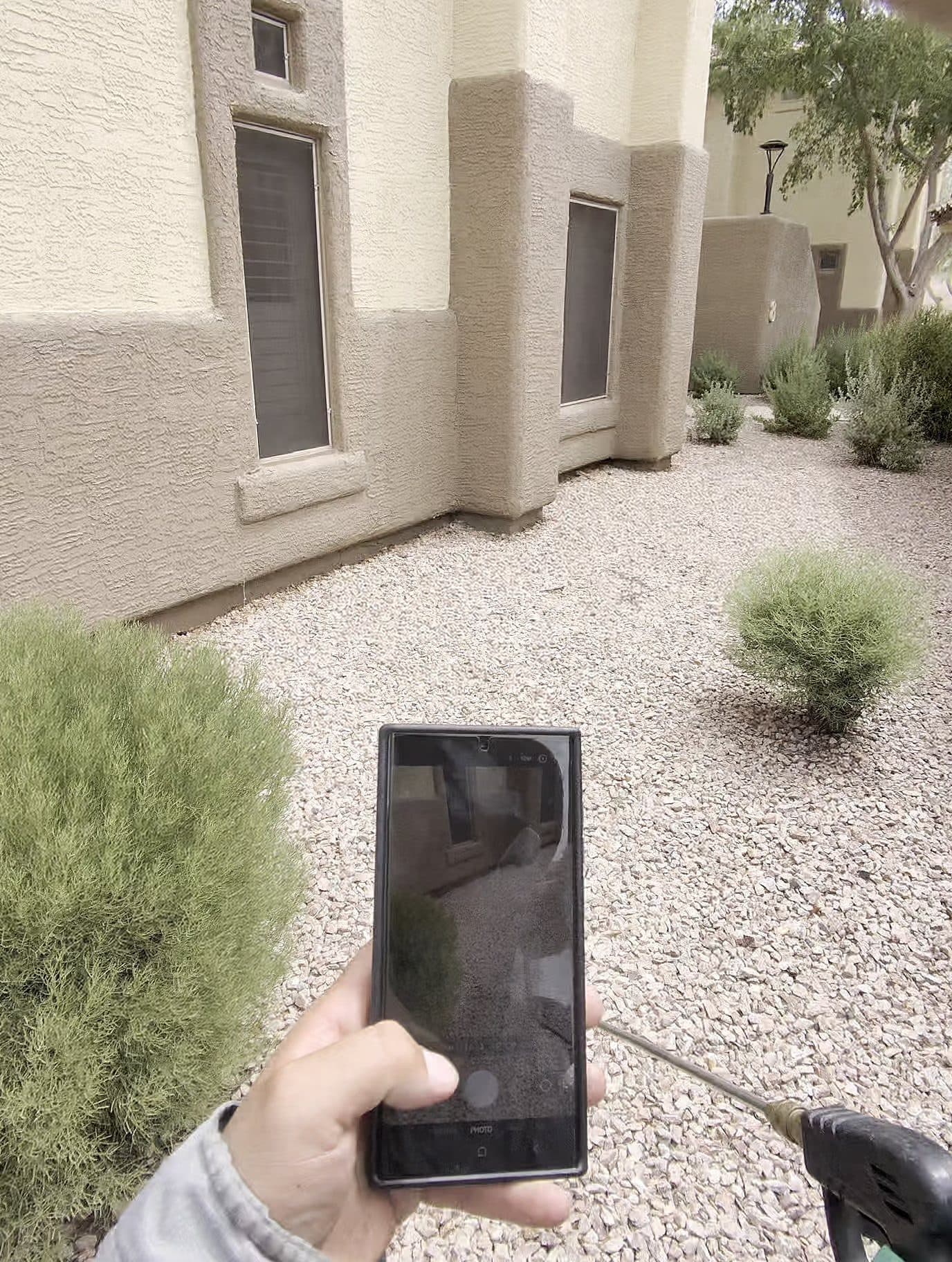
Trapping removes the rats that are already inside, but if you don't seal the entry points, new ones simply move in. Lasting control means finding and closing roofline gaps, vent openings, and utility penetrations, then trapping out whatever remains. Sealing is the step that makes it stick.
Rather have it handled?
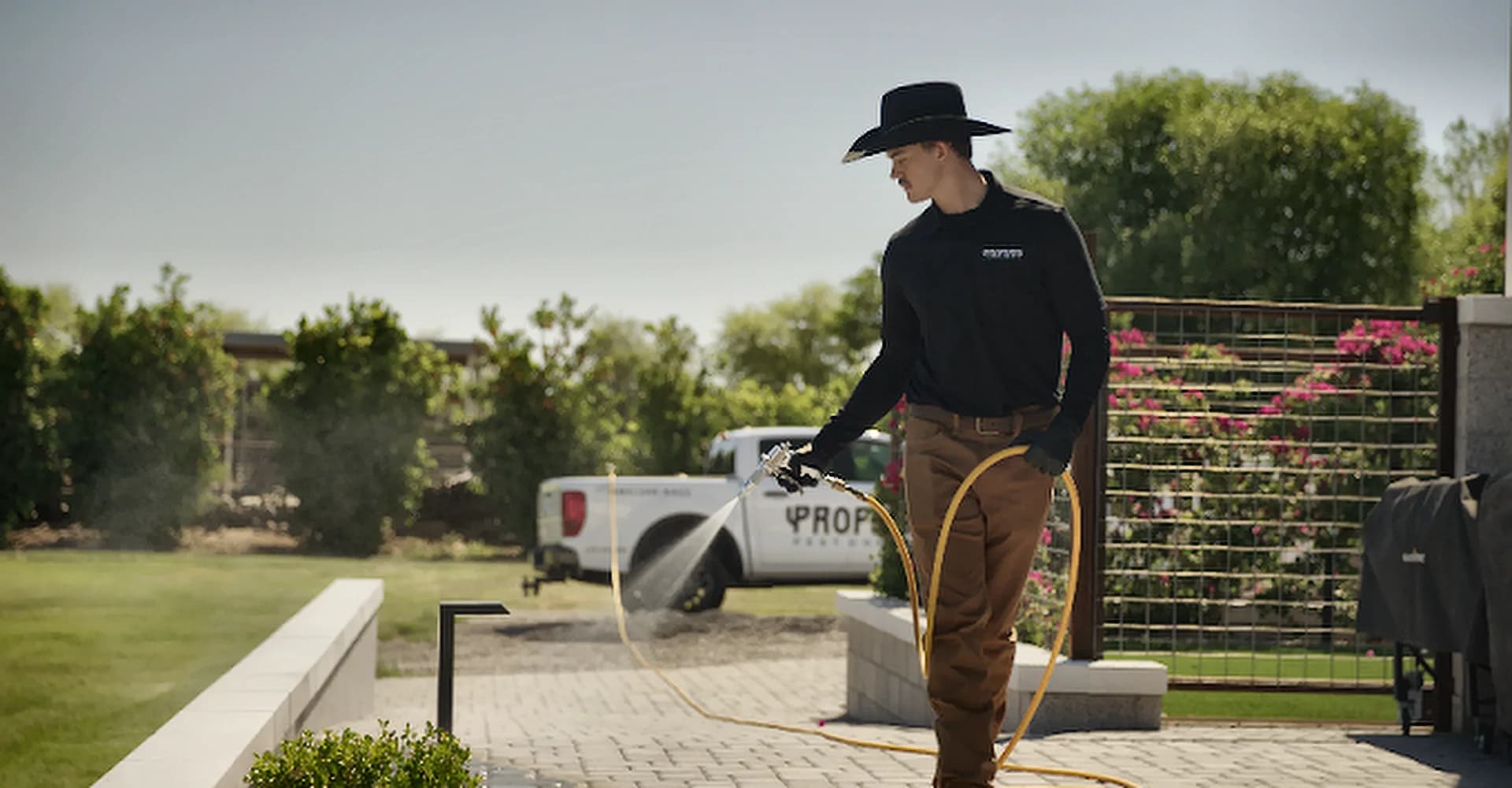
Recurring plans start at $49 with a free re-service guarantee between visits.